
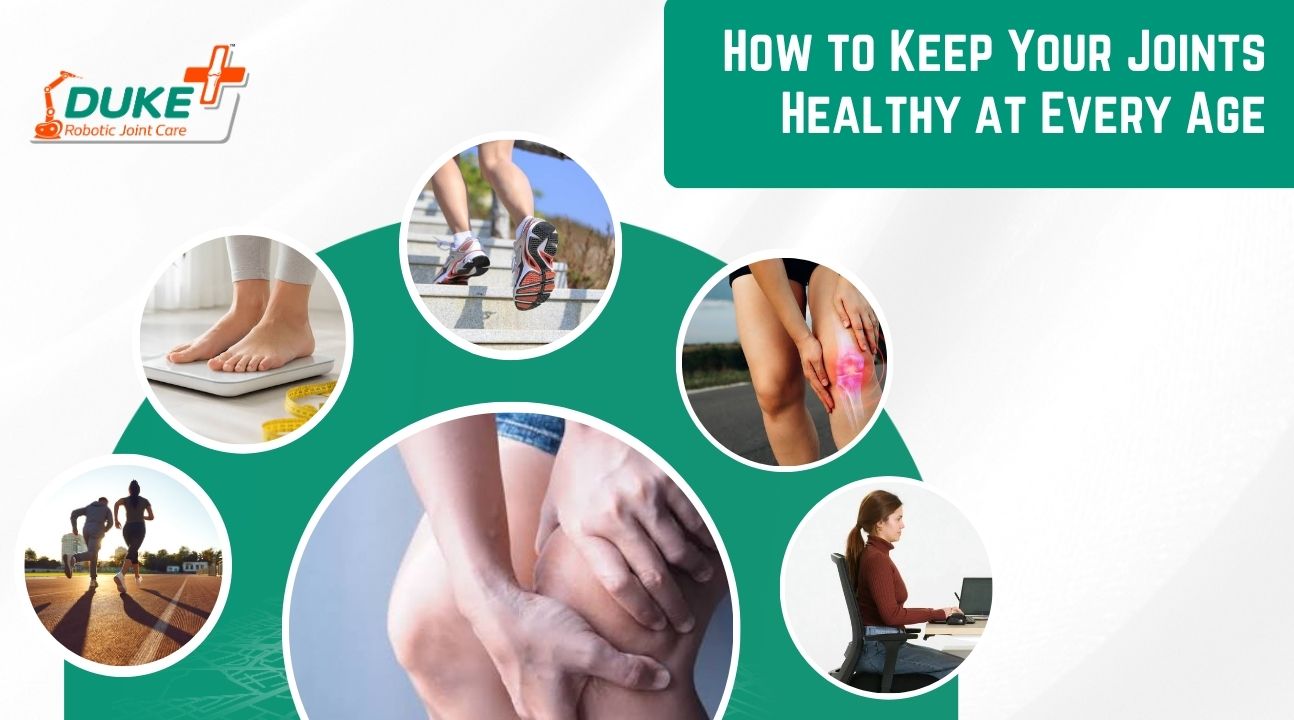
We often think about joint health only when pain starts. But taking care of your joints early can help you stay active and independent for years to come.
The good news is that small daily habits can make a big difference to your joint health.
Whether you are in your 20s, 40s, 60s, or beyond, here are some simple ways to take care of your joints.
Your Joints Change With Age
As we get older, the cartilage and other tissues around our joints can gradually change. This may increase the risk of stiffness, pain, and arthritis.
But getting older does not mean that joint pain is unavoidable.
Regular movement, a healthy weight, good nutrition, and timely medical care can all support healthier joints.
1. Stay Physically Active
One of the simplest things you can do for your joints is stay active.
Regular movement helps keep your muscles strong and your joints flexible. You do not always need an intense workout.
Walking, cycling, swimming, stretching, yoga, and other low-impact activities can be good options.
If you already have joint pain, choose activities that are comfortable for you and speak with a doctor or physiotherapist if needed.
2. Maintain a Healthy Weight
Your knees and hips carry much of your body weight.
Extra weight can put additional stress on these joints, especially during activities such as walking or climbing stairs.
Maintaining a healthy weight can help reduce stress on your joints and make movement easier.
Even small, sustainable changes in diet and activity can be helpful.
3. Avoid Sitting on the Floor and Repeated Stair Climbing
Some daily activities can put extra pressure on your knee joints. Sitting on the floor requires your knees to bend deeply, while going up and down stairs repeatedly can put additional stress on the knees.
If you already have knee pain or stiffness, try to avoid sitting on the floor for long periods and reduce unnecessary stair climbing.
Small changes in your daily routine can help reduce unnecessary stress on your knee joints.
4. Prevent Joint Injuries and Falls
Joint injuries can affect your movement and may cause problems later in life. Taking care while walking, exercising, or playing sports can help protect your joints.
Avoid sudden movements, overexertion, or activities that put too much stress on your joints. Choose exercises that match your fitness level and increase them gradually. Also, be careful when walking on uneven or slippery surfaces, especially if you have balance problems.
5. Follow a Balanced Diet and Get Proper Nutrition
What you eat can also affect your joint health. A healthy and balanced diet gives your body the nutrients it needs to keep your bones, muscles, and joints strong.
Include fresh fruits, vegetables, whole grains, pulses, milk or dairy products, and protein-rich foods in your daily diet. Calcium, vitamin D, and protein are especially important for healthy bones and muscles.
Good nutrition, along with regular physical activity, can help support healthy joints and keep you active as you age.
6. Pay Attention to Your Posture
The way you sit, stand, and move can affect how your body handles everyday stress.
If you spend long hours sitting, try to take regular movement breaks. Adjust your chair and work setup so that you can maintain a comfortable posture.
Small changes throughout the day can help you stay more comfortable.
Joint Care at Different Ages
In Your 20s and 30s
This is a great time to build healthy habits.
Focus on regular exercise, good nutrition, maintaining a healthy weight, and learning safe exercise techniques.
If you play sports, take injuries seriously and allow your body to recover properly.
In Your 40s and 50s
You may start noticing occasional stiffness or aches.
This is the time to pay more attention to muscle strength, weight management, flexibility, and regular physical activity.
If pain becomes frequent, do not simply assume it is because of age. Get it checked.
In Your 60s and Beyond
Staying active becomes even more important.
Walking, stretching, strength exercises, balance exercises, and other suitable activities can help you maintain mobility and independence.
If you have arthritis or another joint condition, a physiotherapist can help create an exercise program that suits your abilities.
FAQs
Healthy Joints Start With Everyday Habits
You do not have to wait until joint pain becomes severe before taking care of your joints.
Move regularly. Maintain a healthy weight. Build muscle strength. Protect your joints. And don’t ignore persistent pain.
These simple habits can help support better movement and an active lifestyle at every age.
If joint pain is making it difficult for you to walk, climb stairs, exercise, or enjoy everyday activities, consider consulting an orthopedic specialist for an evaluation.
At Duke Robotic Hospital, our orthopedic team provides personalized evaluation and treatment for patients with knee and joint problems, with care tailored to their individual condition.
Take care of your joints today so you can keep moving tomorrow.